 |
 |
 |
 |
 |
|
|
|
|
|
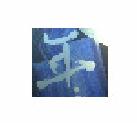 |
MEMORYA Chinese hieroglyph represents the thread of memory, as it invokes the word-image combination that Derrida speaks -- or rather writes -- of in Of Grammatology. Similar to the WWW, the hieroglyph combines word and image to serve as a more resonant form of communication. Derrida's use of paronomasia (the pun) and Gregory Ulmer's later "applied grammatology" of the "puncept" reminds us to remember the forgotten meanings in words that contextualization forces us to forget in order to achieve the superficial of poststructural philosophy. |
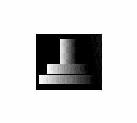 |
TECHNOLOGYThe abstract smokestack represents technology, which here is meant to invoke the technologies of communication as they "pollute" a culture's institutions and the subject formation of its inhabitants. This thread will consider questions of technology as they impacted Spenser in his time as well as us in our own. |
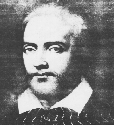 |
SPENSERThe portrait of Spenser will indicate the pathway or thread that will focus on Spenser's life, his relationship to Elizabeth, and his situation in the sixteenth century. |
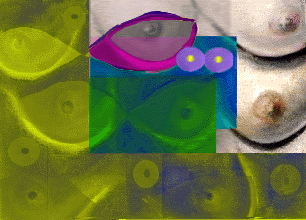 |
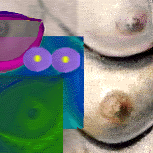
THE MATERNALThe digitized breasts suggest the excess of the maternal that Lacan's theory of psychosis explains as the result of the mother raising the child for her self rather than for the world, for entry into the symbolic order of the "Name-of-the-Father." The multiple breasts might be taken to signify the eight "objet-a" that the newborn infant experiences in its fragmented experience of the Real. |

| IDENTITYThe image of the exploding Parthenon suggests that the identity of Western humankind is under serious attack from the postmodern and poststructural re-vision of subjectivity as we enter the twenty-first century. The exploding parthenon therefore signals discussion of identity formation as it is affected by technological change, especially during the transitional moments of the sixteenth and twentieth centuries. |

|